Product details description
Galvanized steel owes its corrosion resistance to a zinc coating applied
through hot-dip technology, a process that fuses metallurgy and surface science
to protect steel in the harshest environments. Understanding this manufacturing
process reveals why galvanized steel is a mainstay in construction, automotive,
and infrastructure sectors.
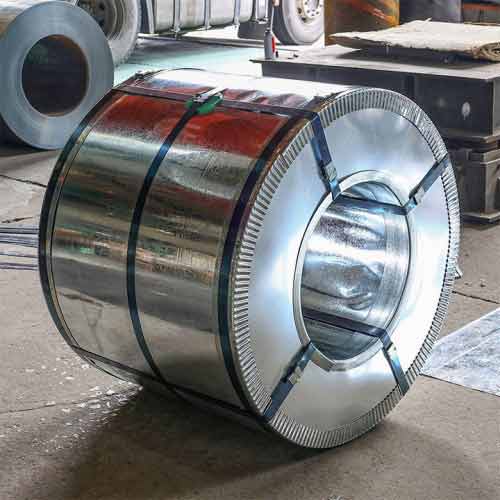
The journey begins with surface preparation. Steel coils or sheets are
cleaned to remove oils, mill scale, and rust. Pickling in dilute acid dissolves
remaining oxides, followed by fluxing—applying a zinc-ammonium chloride
layer—which prevents oxidation before galvanizing and promotes wetting of the
steel by molten zinc.
Hot-dip galvanizing is the core step. Clean steel is immersed in a bath of
molten zinc at around 450°C (842°F). The iron in steel reacts with zinc to form
zinc-iron alloy layers, topped by a pure zinc layer. This metallurgical bond is
integral, meaning the coating cannot peel off like paint. Thickness is
controlled by immersion time and steel composition, yielding coatings that range
from a few microns to over 100 microns for heavy-duty applications.
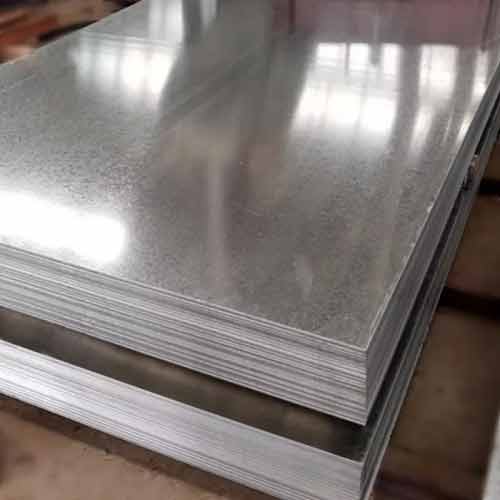
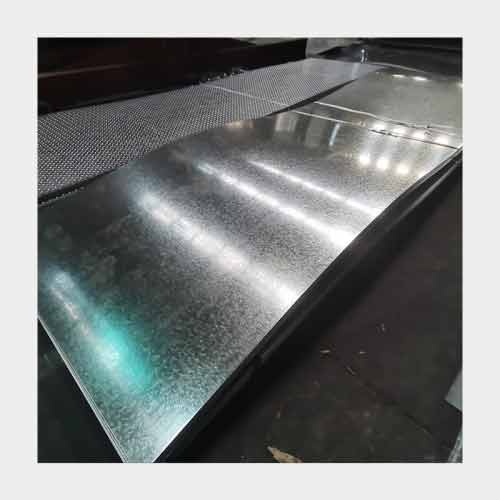
Cooling and finishing follow. Upon withdrawal, excess zinc solidifies into
a shiny spangle pattern. Quenching in water or air cools the steel rapidly,
locking in the coating structure. Some products undergo skin-pass rolling to
improve flatness, or receive chromate or phosphate treatments to enhance paint
adhesion and further corrosion resistance.
The science behind the process lies in zinc’s sacrificial protection. Zinc
is more reactive than iron, so it corrodes preferentially, forming zinc oxide
and zinc carbonate that shield the steel beneath. Even if scratched, the
surrounding zinc protects the exposed steel, a phenomenon known as cathodic
protection.
Quality control includes coating thickness measurement via magnetic gauges,
adhesion tests, and salt-spray assessments to verify performance. With its
durability, low maintenance, and economic life-cycle, galvanized steel
exemplifies how targeted surface engineering solves global corrosion challenges
across industries.
Previous article:
Galvanized Steel for Outdoor Furniture: Why It's a Great Choice
Next article:
Galvanized Steel Structural Integrity