Product details description
Galvanized steel and regular (often referred to as carbon or mild) steel
differ fundamentally in corrosion resistance, which influences their
applications and longevity. Regular steel is primarily iron alloyed with carbon,
lacking a protective layer against moisture and oxygen. When exposed to the
elements, it readily reacts to form iron oxide (rust), leading to progressive
material degradation, loss of strength, and eventual failure if unprotected. Its
lower cost makes it attractive for indoor use or short-term outdoor
projects.
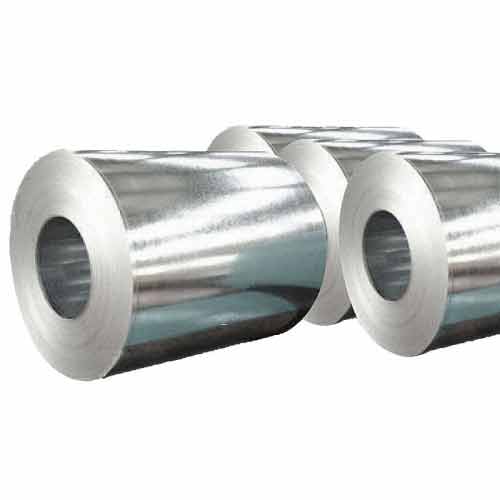
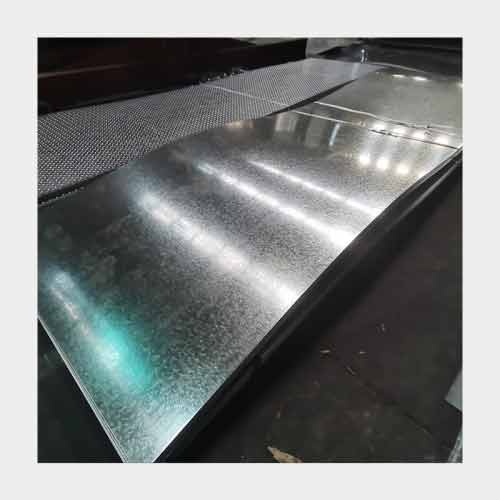
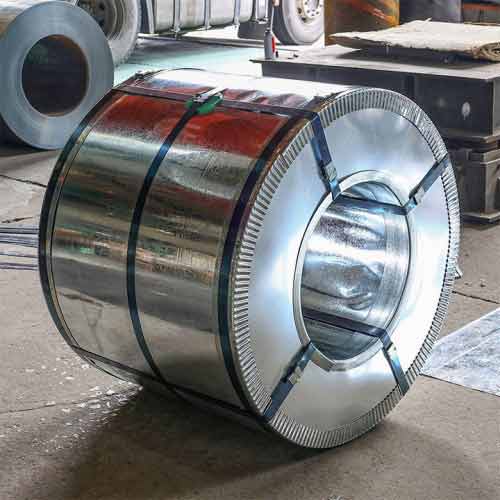
Galvanized steel undergoes a zinc-coating process—either hot-dip or
electroplated—that bonds a layer of zinc to the steel surface. Zinc acts
sacrificially, corroding preferentially to the underlying steel and thus
shielding it from rust. Hot-dip galvanizing produces a thicker, more durable
coating ideal for harsh environments like coastal areas, while electroplating
offers a thinner coat suited for indoor or mild outdoor conditions. This
protective barrier dramatically extends service life, often multiplying it by
several times compared to regular steel.
Mechanical properties vary slightly between the two. Galvanizing can
slightly alter surface hardness and may introduce minor compressive stresses,
but in most structural uses this has negligible impact on strength. Both steels
can be welded, cut, and formed, though welding galvanized steel produces zinc
fumes requiring ventilation. Appearance differs markedly: galvanized steel has a
characteristic silvery-gray finish, while regular steel is darker and prone to
discoloration from oxidation.
Cost considerations involve upfront price versus lifecycle expenses.
Regular steel is cheaper initially, but galvanized steel’s longevity reduces
maintenance and replacement costs, making it more economical over time,
especially in corrosive settings. For applications such as fencing, roofing,
automotive parts, and marine structures, galvanized steel’s superior durability
justifies the investment. The comparative study underscores that choosing the
right steel type hinges on balancing initial expenditure with expected
environmental exposure and maintenance commitment.
Previous article:
Galvanized Steel Mesh - Flexible & Corrosion-Resistant Barrier
Next article:
Environmental Impact of Galvanized Steel Production