Product details description
Galvanized steel is widely used in construction, manufacturing,
agriculture, and infrastructure due to its excellent corrosion resistance,
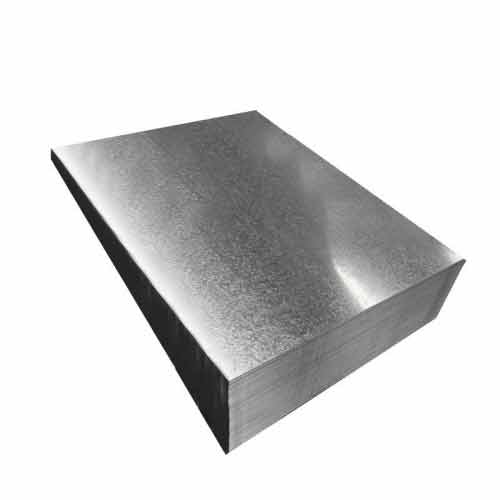
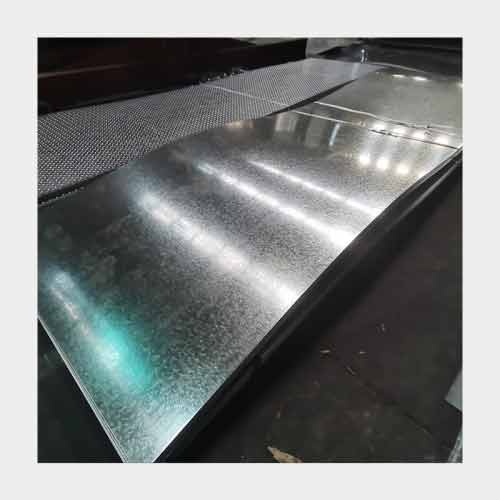
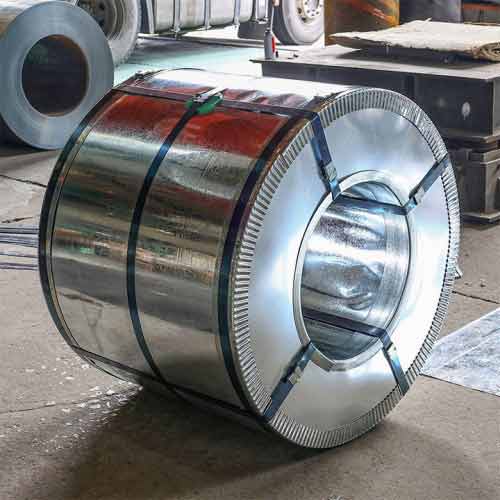
durability, and cost-effectiveness. The process of galvanization—coating steel
with a layer of zinc—protects the underlying steel from rust and degradation,
extending its lifespan in harsh environments. However, not all galvanized steel
grades are the same; different grades vary in zinc coating thickness, base steel
composition, and performance characteristics. Selecting the right grade of
galvanized steel for your specific application is critical to ensuring optimal
performance, longevity, and cost-effectiveness.
The first step in selecting the right galvanized steel grade is
understanding the environmental conditions the material will face. Corrosive
environments (such as coastal areas with saltwater exposure, industrial zones
with chemical fumes, or humid climates) require galvanized steel with a thicker
zinc coating to provide enhanced protection. For example, hot-dip galvanized
(HDG) steel, which has a thick, uniform zinc coating (typically 85-100 microns),
is ideal for these harsh environments. In contrast, mild or indoor environments
(such as residential interiors or dry warehouses) may only require
electro-galvanized steel, which has a thinner zinc coating (5-15 microns) and is
more cost-effective for low-corrosion applications.
Next, consider the mechanical requirements of the application, such as
strength, ductility, and load-bearing capacity. Galvanized steel grades are
based on the underlying base steel, which varies in carbon content and alloying
elements. For structural applications (such as beams, columns, or fence posts)
that require high strength, grades like A36 or A572 (high-strength low-alloy
steel) are commonly used. These grades maintain their strength after
galvanization and can withstand heavy loads. For applications requiring
flexibility or ductility (such as automotive parts or sheet metal fabrication),
lower-carbon grades like 1010 or 1018 are preferred, as they are easier to form
and weld without compromising performance.
Another key factor is the galvanization process, which affects the
coating’s thickness, adhesion, and durability. Hot-dip galvanization (HDG) is
the most common process for heavy-duty applications, as it produces a thick,
metallurgically bonded zinc coating that is highly resistant to chipping and
abrasion. Electro-galvanization (also known as zinc plating) is used for lighter
applications, as it produces a thinner, more uniform coating that is ideal for
parts with complex shapes or tight tolerances. Other processes, such as
zinc-rich paint or thermal spray galvanization, are used for specialized
applications where traditional galvanization is not feasible (e.g., large
structures or existing steel components).
Finally, consider cost and long-term value when selecting a galvanized
steel grade. While thicker-coat HDG steel may have a higher upfront cost, it
offers longer lifespan and lower maintenance costs in corrosive environments,
making it more cost-effective over time. Thinner-coat electro-galvanized steel
is cheaper upfront but may require more frequent replacement or maintenance in
harsh conditions. It is also important to ensure that the selected grade
complies with industry standards (such as ASTM A123 for HDG steel or ASTM B633
for electro-galvanized steel) to guarantee quality and performance. By
evaluating environmental conditions, mechanical requirements, galvanization
processes, and cost, you can select the right grade of galvanized steel that
meets your application’s needs and provides maximum value.
Previous article:
Galvanized Steel Tubes - Structural Integrity for Engineering
Next article:
How Zinc Coating Prevents Steel Rust and Degradation